
 LinkedIn
 Facebook
 X.com
X.com
 WeChat
 Email
Email

Project logistics is a specialized subset of the logistics industry that requires a fully integrated approach to the global orchestration of material flow, order management and shipment execution from multiple origins to a defined site location. It includes transportation of regular and out-of-gauge cargo (OOG) across all transport modes to deliver in full, on time and in the right sequence to support the execution of a customer's often highly complex project schedule and objectives. A ‘project’ in this type of logistics, is identified by five characteristics: it is time-definite, the supply chain is convergent, the transport solution must be seamlessly integrated across all modes of transport, the transport execution is often highly specialized or bespoke, and finally customers’ buying behaviour shows a preference for an outcomes-based, end-to-end approach, to their supply chain. Now, to follow up on what trends were predicted for 2024 for this special and unique type of transportation, it is that time of the year again when we look forward to what events and innovations will be affecting special cargo logistics in 2025.
What will be upcoming trends for project logistics in 2025?
- Investments: Project logistics is as sensitive to freight rates as it is to politics. It serves the complex Capital Expenditure (CapEx) needs of all markets globally, and the changing dynamics between these markets that will take place next year are greatly affecting this type of transportation. When looking at the current geopolitical environment, disruptions and upcoming tariffs are set to change trade drastically in 2025, not just for import and export, but also for global investments.
- Expansion in the energy portfolio: Back in 2023, energy investments were focused primarily on wind energy. One full year later, several of the large wind energy projects ran into challenges with offtake agreements, cost, mishandled tenders, etc., resulting in material delays to the project and a dampening effect on demand in some areas. Today, the energy market is seeing early indications of a mindset shift towards the large-scale viability of nuclear power, a trend that will be more visible in 2025. With more governments backing deals on nuclear power (also to fuel the ramping electricity needed now for the common use of Artificial Intelligence, ChatGPT and similar new technologies), the demand for project logistics capacity continues to grow and diversify in nearly every region of the world.
- Defence-related projects: The defence market has recently seen the largest uptick in defence spending since World War Two across the EU, NATO and its allied countries, planned for 2025. A recent study by Deloitte highlights that “geopolitical tensions continued, pushing countries to increase defence spending. As per The Stockholm International Peace Research Institute, “approximately 59 countries were at war in 2022, up by 27 countries compared to 2019. As a result, defence expenditures and related projects surpassed US$2.4 trillion in 2023” adding that “these trends are expected to continue into 2025, with the potential for broad-based operationalization of many technologies”. This outlook shows intention not only for an augmented production of defence-related items but also for CapEx in investments for defence-related facilities, installations and production plants. This uptick in defence production demand will therefore add complexity for transportation capacity in the project logistics market – particularly in the shipbuilding sector as order books for new naval vessels potentially take priority over demand for heavy lift or multipurpose ships.
- Modelling and simulation: A trend that was observed for 2024, advanced modelling and simulation using digital twin technologies, for instance, will continue to be relevant into the new year and will gain even more importance as project logistics will also get more complex. “The demand to get heavy and complex cargo in and out of really tight spots is only increasing these days because the locations for new projects are getting more complex to reach” states Robin Towley, Global Business Product Owner at Maersk Project Logistics. In the last 20 years, a lot of industrial areas have grown up to the point that only a limited capacity for expansion remains. For this reason, advances in transport modelling and simulation technology can help logistics planners see how to “thread the needle,” and see what the real requirements for complex transport are before deciding on how best to use higher-demand, specialized transport assets in a capacity-constrained environment.
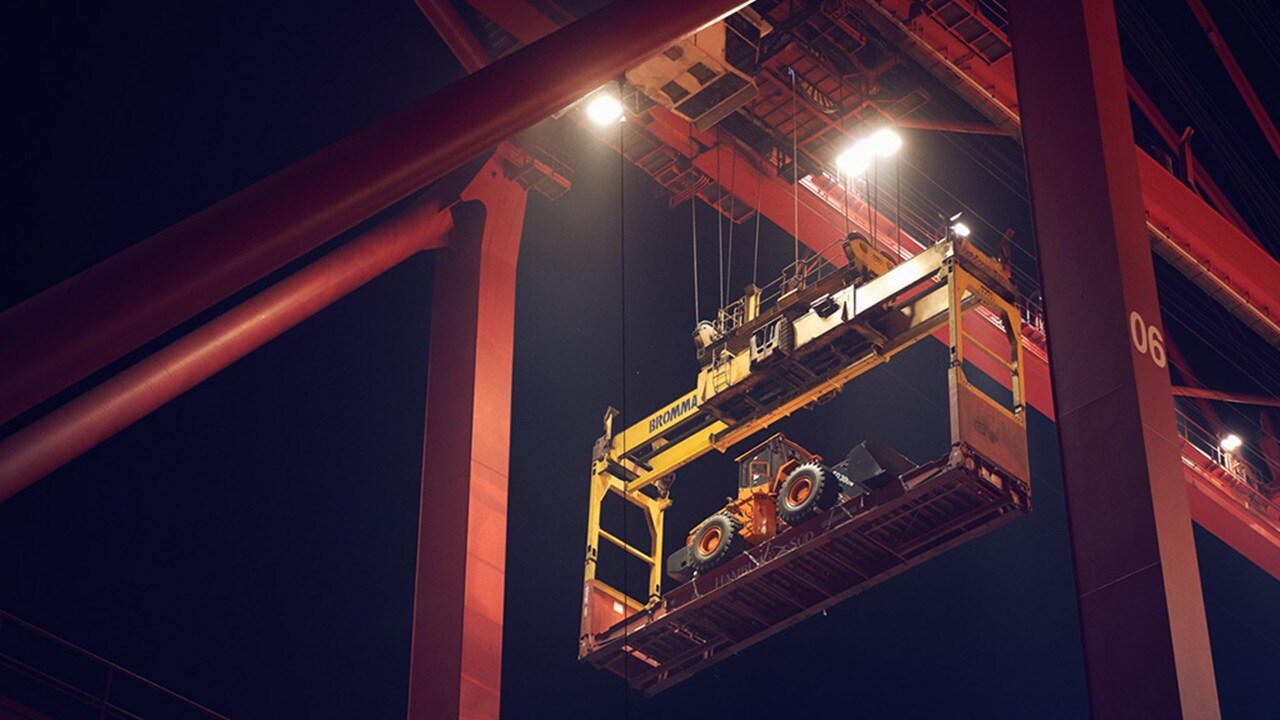
The need for new project logistics talent in 2025
To make sure the project logistics community is ready to cater for what’s to come in 2025, a focus on developing new talent is more important than ever. As project logistics providers see increasing demand, the hunt for an agile, mobile and highly skilled workforce becomes increasingly difficult. “Though the period of mergers and acquisitions across the wider logistics sector may be cooling down, this previous period of M&A activity left the project logistics sector at a disadvantage with larger providers opting to focus workforce development less on specialized transport, and more on more traditional transport and freight forwarding activities. There seems to be a strategic deficit in the industry, and a growing gap in the technical expertise needed to operate and manage project supply chains” calls out Robin Towley, Global Business Product Owner at Maersk Project Logistics, adding “If you are someone with a project logistics or specialized transport background, you are the talent we are looking for. So, please get in touch with us at Maersk to explore your options as we continue to grow”.
- Get in touch with the team and learn about project logistics at Maersk.
- Discover more 2025 trends that will affect logistics with Maersk Logistics Insights.

取得產業內部人士的見解
How can you make your logistics interconnected?
Reduce complexity with an all-in-one solution where your business only has to deal with one partner to service all your supply chain needs from start to finish.
Learn more about how Maersk can help with integrated logistics.


您是否想隨時獲取未來產業趨勢的必修課?
您完成了,歡迎訂閱!
很抱歉,發送您的聯絡請求時發生問題。
請檢視表單欄位,並確保提供所有必要的正確資訊。若問題仍然存在,請聯絡我們的支援團隊尋求進一步協助。
您是否想隨時獲取未來產業趨勢的必修課?
透過在此表單註冊,您可直接在您的郵箱中接收我們的見解,踏入真正整合物流的世界。只要按幾下,您就可從我們為您量身訂製的文章中獲取靈感,並獲得相關業務見解。您可以隨時取消訂閱。
I agree to receive logistics related news and marketing updates by email, phone, messaging services (e.g. WhatsApp) and other digital platforms, including but not limited to social media (e.g., LinkedIn) from A. P. Moller-Maersk and its affiliated companies (see latest company overview). I understand that I can opt out of such Maersk communications at any time by clicking the unsubscribe link. To see how we use your personal data, please read our Privacy Notification.
By completing this form, you confirm that you agree to the use of your personal data by Maersk as described in our Privacy Notification.